For anyone tracking the housing market, the monthly housing starts report from the U.S. Census Bureau is often treated as the definitive pulse of new supply. It’s presented as a straightforward indicator: more starts mean more homes are coming, which should eventually ease pricing pressures. In my experience, this reading of the data is a common misconception, leading many to misinterpret the actual timeline for new housing availability. While housing starts offer a glimpse into builder confidence and initial project activity, they tell only half the story, and the most crucial half – when those homes are actually ready for occupancy – is often overlooked.
The mistake I see most often is assuming a direct, short-term correlation between a rise in starts and an immediate increase in available housing inventory. The truth is far more nuanced, especially in today’s complex construction environment. A “start” simply means that excavation has begun, and the foundation has been laid. It doesn’t mean walls are up, utilities are connected, or, most importantly, that a buyer can move in. The lag between a groundbreaking ceremony and a homeowner receiving keys can be significant, extending far beyond what many expect. This gap is filled with supply chain disruptions, labor shortages, permitting delays, and a host of other factors that push completion dates further into the future. Relying solely on housing starts can create a false sense of security about impending supply, leading to incorrect predictions about market shifts and pricing trends.
What changed everything for me in understanding this dynamic was a deeper dive into housing completions data and the various bottlenecks within the construction process. It’s not enough to know how many homes started; you need to understand how many are actually finished and brought to market. The real story of housing supply isn’t just about intent; it’s about execution, and that execution takes time. Ignoring this lag means missing the true supply-side pressures that continue to shape local and national housing markets.
Key Takeaways
- Housing starts indicate initial construction activity, not immediate market supply, often misleading market expectations.
- A significant lag, typically 6-12 months or more, exists between a housing start and actual home completion and market availability.
- Analyze housing completions data alongside starts to accurately gauge new housing inventory entering the market.
- Permitting delays, labor shortages, and material supply chain issues are key factors extending the time from start to completion.
The Misleading Allure of Housing Starts as an Immediate Supply Indicator
When the monthly housing starts report drops, it often captures headlines, leading to quick analyses about the future of housing supply. A big jump in starts might be celebrated as a sign that the housing shortage is finally easing, or a dip might spark fears of dwindling inventory. However, these headlines frequently overlook a fundamental reality of the construction cycle: a start is merely a promise of future supply, not supply itself. The allure of this number lies in its simplicity and timeliness; it’s an easy figure to grasp and react to. But that simplicity masks a complex and often protracted journey from groundbreaking to move-in day.
In my years of observing market trends, I’ve seen countless instances where an uptick in housing starts led to optimistic forecasts, only for those predictions to fall flat when actual new home inventory remained stubbornly low months later. The problem isn’t the data itself, but the interpretation. A housing start simply signifies that site preparation has advanced to the point where the foundation is laid. Think of it as the very first step in a marathon. You wouldn’t declare a runner finished simply because they crossed the starting line. Yet, in housing market analysis, this is precisely what happens with housing starts. This misunderstanding can have significant implications for buyers, sellers, and policymakers, who might base decisions on an anticipated increase in inventory that is still many months, if not a year or more, away from materializing.
The Significant Lag: From Foundation to Finish Line
The most critical aspect often missed when discussing housing starts is the time lag between a ‘start’ and a ‘completion.’ This isn’t a static number; it varies significantly based on factors like housing type, regional conditions, and the prevailing economic climate. For single-family homes, this lag can typically range from six to nine months under optimal conditions. However, in an environment still grappling with residual supply chain issues, persistent labor shortages, and complex permitting processes, this timeframe can easily stretch to 12 months or even longer.
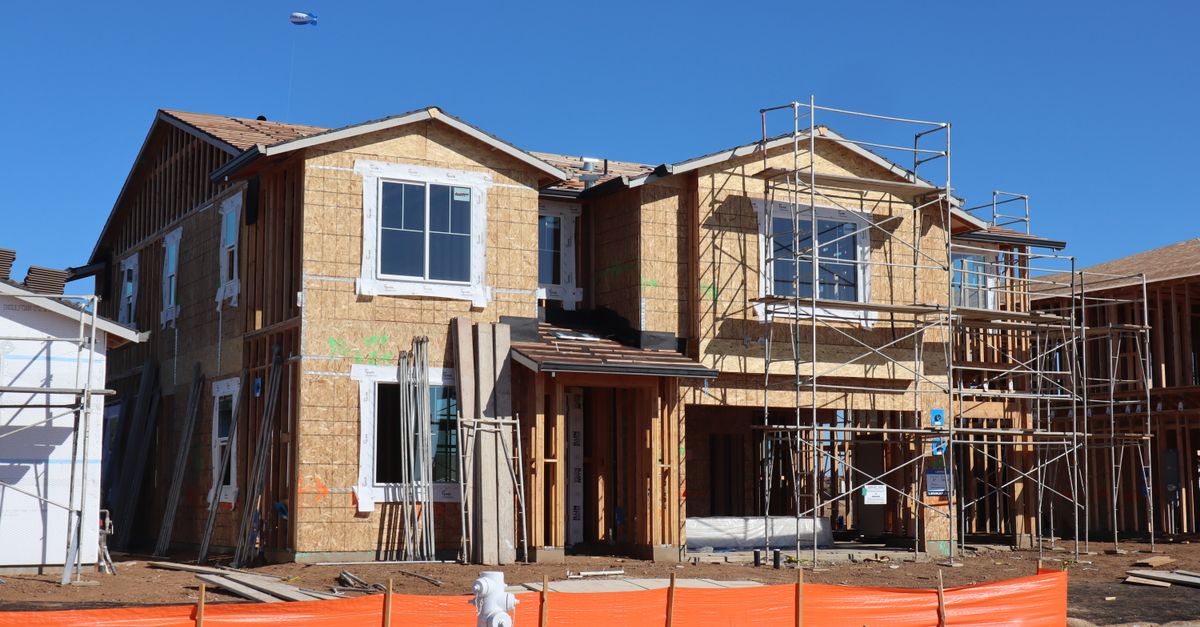
Consider the journey of a single-family home. After the foundation is laid (the “start”), a myriad of steps follow: framing, roofing, exterior siding, plumbing, electrical, HVAC installation, interior drywall, flooring, cabinetry, fixtures, painting, and final landscaping. Each of these stages requires specific materials and skilled labor. A delay in receiving windows due to factory backlogs, a shortage of electricians in the local market, or an unexpected hold-up on a plumbing inspection can individually add weeks to the timeline. Cumulatively, these small delays can transform a projected six-month build into an 18-month ordeal. For multi-family projects, which often involve more complex logistics and larger scales, the lag can be even more pronounced, frequently spanning 18 to 24 months from start to completion.
This extended lag means that today’s housing starts are truly a signal for next year’s housing supply, not tomorrow’s. This distinction is vital for accurate market analysis. An investor or homebuyer looking for relief in the current market will find little solace in a high number of housing starts if those homes won’t be available until well into 2027 or beyond.
Why Housing Completions Are the True Barometer of Supply
To accurately gauge the new supply entering the housing market, it’s imperative to shift focus from merely housing starts to housing completions. While starts represent intent and initial investment, completions represent tangible, ready-to-occupy homes. This is the data point that truly matters for alleviating inventory shortages and influencing market prices in the near term.
Housing completions data, also published by the U.S. Census Bureau, tracks units that have reached final construction and are ready for sale or rental. This metric reflects the successful navigation of all the challenges inherent in the construction process – securing materials, coordinating labor, passing inspections, and managing logistics. When you see a strong rise in completions, that’s when you can anticipate a real, measurable impact on market inventory. In my view, it’s the most straightforward indicator of how quickly the housing stock is actually expanding.
For example, if housing starts surged by 10% in the last quarter of 2025, but housing completions remained stagnant or even declined, it signals ongoing bottlenecks that are preventing homes from reaching the market. The high starts number, in this scenario, would be a misleading indicator of immediate supply relief. Conversely, if starts are modest but completions are steadily climbing, it suggests that builders are efficiently bringing existing projects to fruition, contributing meaningfully to current inventory. Smart market watchers always cross-reference these two data points to get a comprehensive picture of the construction pipeline.
Identifying the Real Bottlenecks Slowing Down Construction
Understanding the actual lag between housing starts and completions requires an appreciation for the specific obstacles that routinely delay construction projects. These aren’t abstract problems; they are concrete, tangible issues that add time and cost to every new home built. From my vantage point in the industry, three primary bottlenecks stand out:
Material Supply Chain Disruptions
Even in 2026, the ripple effects of past global supply chain disruptions persist. While lumber prices have stabilized from their erratic highs, availability for specialized components, such as certain types of windows, electrical panels, or HVAC units, can still be unpredictable. Builders often face extended lead times, sometimes 8-12 weeks for items that once took days. This forces them to either delay subsequent construction phases or pay premium prices for expedited delivery, impacting project timelines and final home costs. A single missing component can halt progress, turning an almost-finished home into a stagnant asset.
Persistent Labor Shortages
The construction industry continues to grapple with a significant shortage of skilled tradespeople. From plumbers and electricians to framers and roofers, there simply aren’t enough qualified workers to meet demand. This scarcity leads to inflated labor costs and, more critically, extended project durations. Subcontractors are often booked out months in advance, forcing builders to wait or compromise on quality by using less experienced teams. This isn’t just about general laborers; it’s about specialized expertise that is essential for every phase of construction. Even with high housing starts, if the skilled hands aren’t available to build, those foundations sit idle for longer than necessary.
Permitting and Regulatory Hurdles
Local government permitting and inspection processes can be notoriously slow, adding unpredictable delays to the construction timeline. Even minor changes or unexpected site conditions can trigger lengthy review periods. Jurisdictions vary wildly in their efficiency, but almost all involve multiple layers of approval for everything from zoning and environmental impact to structural integrity and utility hookups. A two-week waiting period for an inspection can easily turn into a four-week delay if inspectors are understaffed or backed up. These regulatory hurdles, while necessary for safety and compliance, often become significant choke points in the journey from start to completion, pushing back occupancy dates and frustrating both builders and eager homebuyers.
The Future of the Start-to-Completion Gap
Looking ahead, the gap between housing starts and completions will continue to be a critical metric for understanding the real pace of housing supply growth. While builders are constantly innovating to mitigate delays, many of the underlying issues – like labor scarcity and regulatory processes – are systemic and won’t be resolved overnight. We might see incremental improvements in supply chain predictability, but the fundamental challenge of translating initial construction activity into ready-to-occupy homes remains.
My projection for the next few years is that this lag will remain a persistent feature of the housing market. Technology might streamline some administrative tasks, and modular construction could gain more traction to accelerate building times for specific segments. However, for the bulk of traditional single-family and multi-family construction, the time required to complete a project will likely stabilize at the longer end of historical averages. This means that policymakers, market analysts, and potential homebuyers should continue to temper expectations based solely on housing starts. The real relief for inventory shortages will come when completions data consistently outpaces starts, signaling that the pipeline is not just full of intentions, but also efficiently producing actual homes.
For consumers, this understanding translates into a need for patience and a realistic assessment of when new homes will actually be available. It also emphasizes the importance of tracking local market dynamics, as regional efficiencies in construction and permitting can significantly impact completion times. In short, the future of housing supply hinges less on how many shovels break ground, and more on how swiftly those foundations transform into finished, livable spaces.
Frequently Asked Questions
What is the average time from housing start to completion for a single-family home?
The average time from a housing start (foundation laid) to completion for a single-family home typically ranges from 6 to 12 months. This can vary depending on local market conditions, material availability, labor force, and the complexity of the specific project. In more challenging environments with persistent delays, this timeframe can extend even further.
How do housing starts differ from housing completions?
Housing starts measure when construction begins on a new residential building, typically when the foundation is laid. It indicates future supply. Housing completions measure when a new residential building is ready for occupancy or sale. It indicates actual new supply entering the market. Completions always lag behind starts.
Why are housing starts often considered a leading economic indicator?
Housing starts are considered a leading economic indicator because they reflect builder confidence and future investment in the housing sector. An increase in starts suggests optimism about future demand and economic conditions, signaling potential growth in related industries like manufacturing (materials) and employment (construction jobs). However, this doesn’t mean those homes will immediately impact current inventory.
What factors contribute most to delays between a housing start and completion?
The most significant factors contributing to delays include material supply chain disruptions (e.g., shortages of windows, appliances), labor shortages (lack of skilled tradespeople like plumbers, electricians), and permitting and regulatory hurdles (slow local government approvals and inspections).
Should homebuyers only look at housing starts when assessing market supply?
No, homebuyers should not only look at housing starts. While starts indicate future supply, housing completions provide a more accurate picture of homes currently entering the market and immediately available for purchase. For a realistic understanding of current inventory, always consider completions data alongside starts.