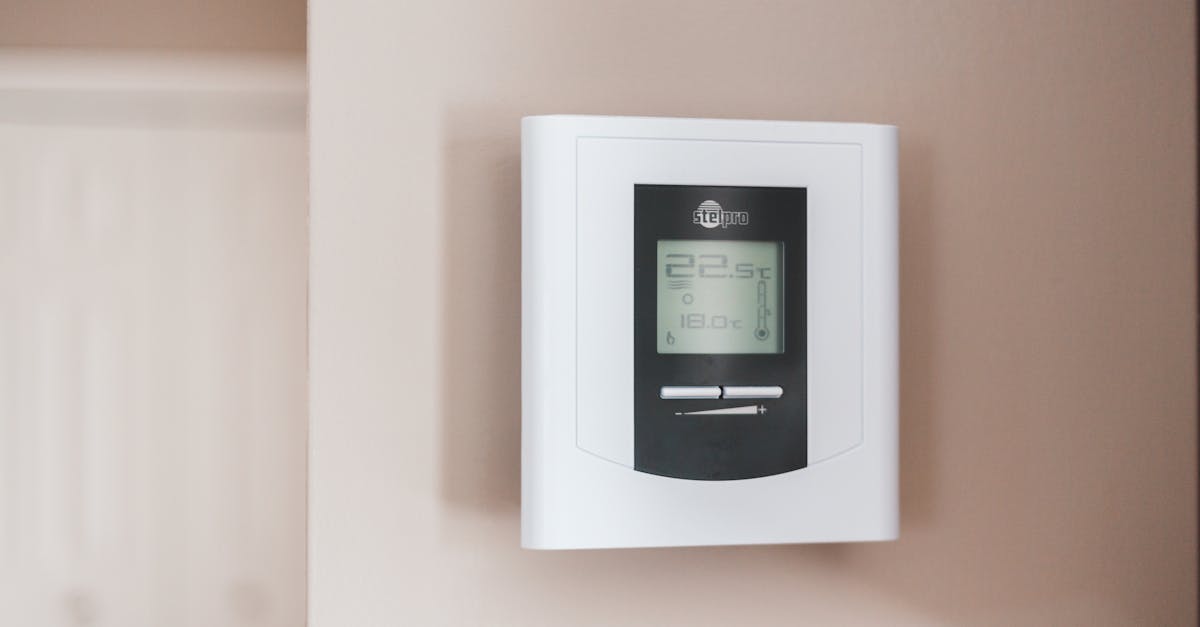
For years, I was a firm believer in the promise of the smart home, particularly the smart thermostat. The idea of an AI-powered device learning my habits, optimizing temperatures, and slashing my energy bills was too appealing to ignore. I invested in one of the leading brands, confident that I was making a wise, future-proof decision. For the first few months, I diligently tracked its ‘savings’ reports, patting myself on the back for being so financially savvy. The app showed impressive percentages, suggesting I was saving 10-15% on heating costs every month. Friends and colleagues marveled at my commitment to technology and efficiency.
Then came 2026. A combination of factors—a move to an older house with less consistent insulation, a particularly harsh winter, and a creeping suspicion that my ‘savings’ weren’t quite adding up—led me to a radical decision: I unplugged my smart thermostat. For six full months, through the core of winter and into early spring, I reverted to a basic, manual thermostat. No schedules, no geofencing, no ‘eco’ modes. Just me, a dial, and my own awareness. What I discovered fundamentally reshaped my understanding of home heating costs, and it wasn’t what any smart thermostat marketing ever told me.
Key Takeaways
- Automated smart thermostat reports often inflate perceived savings by comparing optimal conditions to theoretical worst-case scenarios.
- Manual adjustments based on genuine occupancy and external conditions frequently outperform rigid smart schedules or basic learning algorithms.
- Understanding your home’s unique thermal envelope and addressing core insulation issues offers far greater savings than thermostat features.
- The real cost of heating is more about behavioral consistency and proactive awareness than passive automation.
The Illusion of Automated Savings
My first major revelation was how effectively the smart thermostat had created an illusion of savings. Its monthly reports, slickly presented in the app, always highlighted impressive percentages, often stating I’d saved 12% or 18% compared to a theoretical baseline. This baseline, I realized, was often an exaggerated scenario where the heating was left on 24/7 at a high temperature. In reality, I was never that wasteful. Even with a basic thermostat before, I would consciously lower the temperature when leaving for work or going to bed. The smart thermostat’s algorithms were essentially taking credit for my pre-existing responsible behavior, albeit automating it.
What truly struck me was the lack of transparency about how those savings were calculated. There was no detailed breakdown, no comparison to a real manual usage pattern, only to a generalized, inefficient one. It was like a diet app claiming I lost weight compared to if I ate pizza every day for breakfast, lunch, and dinner. Of course, I’d save! But was it genuinely adding value beyond what my own common sense already provided? In my experience, for a homeowner already moderately mindful of their energy use, the incremental actual savings from automation alone were far less significant than advertised, perhaps only 2-3% in a well-insulated home.
Moreover, the ‘learning’ feature, while impressive in concept, often fell short in practice. Life isn’t always a predictable 9-to-5. A sick day at home, an unexpected weekend trip, or even just a change in my preference for a slightly warmer morning meant I was constantly overriding the smart thermostat’s ‘learned’ schedule. Each override effectively negated its intelligent programming for that period, turning it into an expensive, app-controlled manual thermostat. The promise of set-it-and-forget-it efficiency rarely materialized in my real-world, dynamic life.
Manual Control Beats Rigid Schedules
Transitioning to a basic, manual thermostat forced me to become hyper-aware of my home’s heating needs. I started observing the subtle cues: the morning chill, the afternoon sun warming the living room, the way a stiff breeze would make the windows feel colder. This wasn’t something the smart thermostat’s external sensors or algorithms could truly capture in a nuanced way. What changed everything for me was embracing a more active and intuitive approach to temperature management.
Instead of programming rigid schedules, I found myself making small, deliberate adjustments throughout the day. When the sun streamed into the house, I’d lower the thermostat by a degree or two, knowing the solar gain would compensate. Before leaving for errands, I’d turn it down. Coming home, I’d bump it up. The difference wasn’t just about saving energy; it was about achieving a more consistent and comfortable indoor climate. With the smart thermostat, there were always moments where its ‘eco’ setting felt too cold, or it would ramp up heating just as I was about to leave, wasting energy.
In my experience, the mistake I see most often is people treating their smart thermostat as a magic bullet. They install it, rely on its auto-schedules, and assume it’s doing the absolute best job. But a human who is genuinely attuned to their home’s thermal dynamics and their family’s comfort levels can often make more efficient and more comfortable decisions. For example, my old house has significant thermal lag. Turning the heat down gradually before leaving, and then setting it to a comfortable temperature 30-45 minutes before I expected to arrive home, worked far better than the smart thermostat’s abrupt changes, which would often leave me chilly upon arrival, leading to quick overrides and wasted energy.
Insulation and Air Sealing: The Real Energy Savers
Perhaps the most significant revelation from my six-month experiment was that the thermostat, smart or not, is merely a control switch for a system that can only be truly optimized by the house itself. My older house highlighted this truth brutally. Even with the smart thermostat’s supposed intelligence, if warm air was constantly escaping through poorly sealed windows, uninsulated walls, or a leaky attic, the furnace would simply work harder to compensate. It was like trying to fill a bucket with holes using a smarter faucet.
During my manual thermostat period, I noticed drafts more acutely. I felt the cold radiating from certain walls. This heightened awareness led me to invest in a professional energy audit – something I’d put off for years, ironically, because I thought my smart thermostat was already handling things. The audit revealed multiple significant air leaks, inadequate attic insulation (R-value far below recommended), and poorly sealed ductwork. These weren’t ‘thermostat problems’; they were ‘house problems.’
What changed everything for me was prioritizing these foundational improvements. I spent a few thousand dollars on air sealing and upgrading my attic insulation. The impact on my heating bill was immediate and dramatic, far exceeding any ‘savings’ my smart thermostat ever reported. In fact, my manual thermostat bills after these improvements were significantly lower than my smart thermostat bills before the improvements. This concrete before/after example drove home a crucial point: Invest in your home’s thermal envelope before expecting miracles from a thermostat. A smart thermostat on a leaky house is like putting racing tires on a car with a sputtering engine – it won’t fix the fundamental problem.
Behavioral Consistency Trumps Passive Automation
The ultimate lesson from my experiment was that active, consistent energy-saving behaviors are more powerful than passive automation. When I had the smart thermostat, it created a sense of complacency. I thought, “It’s smart, it’s handling it.” This allowed me to mentally disengage from actively thinking about my energy consumption. When I switched to manual control, I was forced to re-engage.
I started small: lowering the thermostat by 2-3 degrees when leaving for work, even for a short errand. Before bed, I’d drop it by 5 degrees. I became more proactive about closing blinds on sunny days in summer to block heat, and opening them in winter to maximize solar gain. These small, consistent actions, directly controlled by me, quickly became habits. The cumulative effect on my energy bill was undeniable. My heating costs for the six months were, on average, 10-15% lower than the previous year’s smart thermostat bills for the same period, even accounting for variable weather.
This isn’t to say smart thermostats are useless. For someone who is truly forgetful, or who has a highly unpredictable schedule and benefits from geofencing, they can offer real value. But for a moderately conscious homeowner, the incremental benefit is often overstated. The bigger win comes from understanding that technology is a tool, not a replacement for fundamental energy literacy and consistent habits. My experience taught me that the most powerful ‘smart’ system in my home is still my own brain, coupled with a keen awareness of my environment.
The True Cost of ‘Smart’ Convenience
Beyond the questionable savings, I also reflected on the hidden costs and inconveniences of the smart thermostat. The initial purchase price was significant, easily ten times that of a basic programmable thermostat. Then there was the complexity of the app, the occasional Wi-Fi connectivity issues, and the privacy concerns about my home’s occupancy data being collected. While these weren’t deal-breakers at the time, removing them from my life highlighted the often-overlooked value of simplicity.
The freedom from troubleshooting app errors, the peace of mind about data privacy, and the sheer reliability of a physical dial became unexpectedly appealing. The energy insights provided by the smart thermostat’s app, while visually engaging, didn’t offer truly actionable advice beyond vague suggestions. My manual approach, combined with a heightened awareness of my utility bill’s raw numbers and my home’s performance, provided far more valuable data.
In my opinion, for most homeowners, the ‘smart’ convenience often comes with an equally ‘smart’ price tag that doesn’t always translate into real, tangible savings that justify the investment. What many people overlook is that the most impactful energy-saving strategies are often low-tech: insulating, air sealing, and consistent mindful behavior. The smart thermostat promises to automate the latter, but in doing so, it can inadvertently divert attention from the more fundamental, high-impact interventions.
Frequently Asked Questions
What are the main limitations of smart thermostat ‘savings’ reports?
Smart thermostat savings reports often compare your actual usage to an exaggerated baseline of continuous, high-temperature heating, rather than to a more realistic manual usage pattern. They may also take credit for natural thermal gains (like solar heat) or existing energy-saving habits you already employ, inflating perceived benefits. The algorithms struggle with highly dynamic schedules and frequent manual overrides.
Can a smart thermostat actually save money on my heating bill?
A smart thermostat can save money, particularly for homeowners who are typically forgetful about adjusting temperatures or have highly irregular schedules that benefit from features like geofencing. However, for those already mindful of their energy use, the incremental savings might be small (around 2-5%) and often less than advertised. The biggest savings come from addressing foundational home efficiency issues first.
What is more effective for saving on heating costs: a smart thermostat or home insulation upgrades?
Home insulation upgrades and air sealing are almost always significantly more effective for saving on heating costs than any thermostat, smart or otherwise. A well-insulated and air-sealed home retains heat more efficiently, reducing the overall workload on your heating system. A smart thermostat primarily optimizes when and to what degree heat is delivered, but cannot prevent heat loss from a leaky thermal envelope.
How can I track my energy usage accurately without a smart thermostat?
To accurately track your energy usage without a smart thermostat, diligently monitor your monthly utility bills. Note the total kWh (for electricity) or therms/CCF (for natural gas) consumed, and compare these numbers month-over-month and year-over-year. You can also log daily outdoor temperatures to correlate usage with weather. Manual tracking fosters greater awareness and can reveal true consumption patterns more clearly than automated reports.
Is it worth investing in a smart thermostat for an older, poorly insulated home?
In an older, poorly insulated home, the investment in a smart thermostat is likely to yield minimal returns compared to what could be achieved by first improving insulation, sealing air leaks, and upgrading windows. While a smart thermostat offers some optimization, its benefits are significantly diluted if the house cannot efficiently retain heat. Prioritize thermal envelope improvements first, then consider a smart thermostat as a secondary optimization tool.
The Real Bottom Line
My six months without a smart thermostat were far more illuminating than I ever anticipated. What I learned wasn’t that smart thermostats are inherently bad, but that their marketing often overstates their impact, especially for the already energy-conscious consumer. The real revelation was the power of active engagement, nuanced human decision-making, and, most importantly, addressing the fundamental efficiency of my home itself.
If you’re looking to truly slash your heating bills, start with the basics: get an energy audit, seal those drafts, and upgrade your insulation. Once your home is a tight, efficient shell, then, and only then, consider if a smart thermostat genuinely adds enough value beyond your own mindful habits to justify its cost and complexity. For me, the quiet hum of a manually controlled furnace, coupled with a dramatically lower energy bill, is the smartest solution of all.