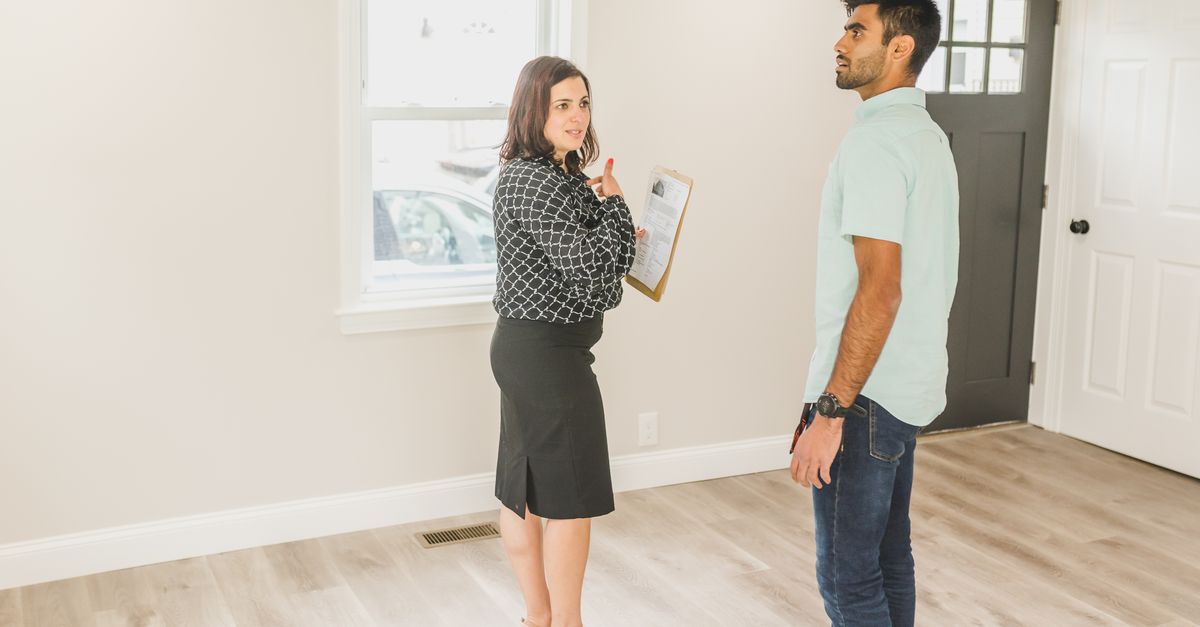
When the ‘for sale’ signs start lingering longer in yards, and open house traffic dwindles, you know the housing market is shifting. In 2026, many sellers are facing this exact scenario: interest rates have leveled off, buyer enthusiasm has tempered, and the bidding wars of years past are a distant memory. This isn’t a market for the faint of heart, or for those who simply list their home and hope for the best. Selling successfully now requires a clear strategy, a realistic mindset, and a willingness to adapt. The biggest mistake I see sellers make in a cooling market is holding onto the pricing expectations of a hot market, only to watch their property sit while others, more shrewdly priced, move quickly.
Key Takeaways
- Price your home competitively from day one to avoid prolonged market time and perceived staleness.
- Invest strategically in key upgrades that directly appeal to buyers looking for move-in readiness.
- Stage your home professionally to highlight its best features and create an emotional connection.
- Understand your local market’s specific buyer demands and tailor your strategy accordingly.
- Be prepared to negotiate on price, contingencies, and seller concessions.
Price with Precision, Not Nostalgia
In my experience, the single most critical factor in a cooling market is initial pricing. Many sellers, understandably, look at what their neighbor’s house sold for six months ago and try to anchor their price there. This is a recipe for disaster. A cooling market means that comparable sale data from even a few months prior might already be outdated. Buyers are more cautious, more discerning, and have more options. If your home is priced even slightly above current market value, it will sit. A home that sits on the market for weeks or months starts to develop a ‘stale’ perception, leading buyers to wonder what’s wrong with it and often resulting in offers even lower than a strategically set initial price.
What changed everything for me in guiding sellers through these shifts was understanding buyer psychology. In a hot market, FOMO drives decisions. In a cool market, buyers are looking for value and flaws. Overpricing signals a lack of understanding of the current climate or an unwillingness to negotiate, both of which deter potential buyers. The mistake I see most often is sellers needing to ‘test the market’ at a higher price, only to reduce it later. This is a wasted opportunity. You get the most attention in the first 1-2 weeks your home is listed. If you miss that window by overpricing, subsequent price drops rarely generate the same excitement or traffic, and often just confirm to savvy buyers that you overshot initially. Instead, aim to be the best-priced option in your segment right from the start. This attracts immediate interest, can still generate multiple offers if you hit the sweet spot, and positions you as a serious seller.
For example, I recently worked with a client who insisted on listing their charming 3-bedroom, 2-bathroom suburban home at $550,000, based on a similar home selling for that amount five months prior. My market analysis suggested $525,000 was a more realistic starting point given recent shifts. After 45 days on the market with minimal showings and no offers, we reduced the price to $519,000. It took another three weeks to get an offer, and the final sale price was $505,000, after factoring in some seller concessions. Had we started at $525,000, we likely would have sold within two weeks, potentially closer to the asking price, and with far less stress and carrying costs for the seller. Don’t chase a market that’s gone. Set a price that reflects today’s reality.
Strategic Upgrades: Focus on Return, Not Renovation
In a cooling market, buyers are less willing to pay a premium for potential or ‘sweat equity.’ They want move-in ready, and they’re looking for reasons to walk away. This means that while major renovations might not offer a dollar-for-dollar return, strategic, buyer-centric upgrades can make the difference between a quick sale and a lingering listing.
The mistake I see most often is sellers either doing no upgrades, assuming buyers will ‘do it themselves,’ or undertaking huge, costly renovations that don’t align with buyer expectations or offer a strong ROI. What changed everything for me was focusing on a targeted approach: identifying the 2-3 highest impact, lowest cost improvements that address common buyer pain points. These aren’t necessarily glamorous, but they signal care and eliminate buyer objections.
Think about what a buyer sees and feels immediately. Fresh paint in neutral, modern colors throughout the entire house is almost always a winner. It’s relatively inexpensive and completely transforms the perception of cleanliness and modernity. Upgrading kitchen and bathroom fixtures (faucets, cabinet hardware, light fixtures) provides a fresh, updated feel without the cost of a full remodel. Professional landscaping for curb appeal is non-negotiable – first impressions are everything. If your home has older carpeting, consider replacing it with a mid-range, neutral laminate or engineered wood flooring in high-traffic areas, or at least professional cleaning. My recommendation is to allocate a small, focused budget, perhaps 1-2% of your target sale price, towards these cosmetic and functional improvements. For example, a $5,000 investment in painting, new light fixtures, and refreshed landscaping on a $500,000 home can easily yield an additional $15,000-$20,000 on the sale price and cut weeks off market time. These are not ‘renovations’ but rather ‘optimizations’ that reduce perceived buyer effort.
The Power of Presentation: Staging Is Not Optional
When the market cools, the need for your home to stand out becomes paramount. This is where professional staging moves from a nice-to-have to a non-negotiable. I’ve seen firsthand how a well-staged home can command a higher price and sell faster, even in a challenging market.
The biggest misconception is that staging is just about putting nice furniture in. It’s far more than that. Staging is about telling a story, creating an aspirational lifestyle, and depersonalizing the space so buyers can envision themselves living there. The mistake I see most often is sellers leaving their personal belongings, clutter, and dated decor, believing buyers can ‘look past it.’ They can’t, or more accurately, they won’t when other options are available. Clutter makes spaces feel smaller, personal items distract, and dated decor makes a home feel older and less valuable.
What changed everything for me was realizing that buyers in a cooling market are not just buying a house; they’re buying a feeling. A professionally staged home highlights the best features, maximizes space, and creates an emotional connection. It helps buyers overcome objections and see the true potential of the property. For a typical three-bedroom house, staging might involve decluttering, depersonalizing, minor furniture rearrangement, and bringing in rental furniture and decor for key rooms like the living room, master bedroom, and dining area. This usually costs between $2,000 and $5,000, but in my experience, it often results in a 5-10% higher sale price and significantly reduced time on market. I once had a vacant listing that sat for two months with no offers. After spending $3,500 on staging, we received an offer within two weeks for only $10,000 below the original asking price. The return on investment for staging is often one of the best a seller can make in a slow market.
Know Your Local Niche, Not Just the National Headlines
The housing market isn’t a monolith; it’s a collection of micro-markets, each with its own nuances, even in a cooling environment. What’s happening nationally or even across your city might not be precisely what’s happening on your street. In a challenging market, understanding your specific local niche is vital.
The mistake I see most often is sellers relying on broad market trends or national news reports. While these provide context, they don’t inform the specific demands of buyers in your neighborhood. What changed everything for me was a deep dive into hyper-local data. Are buyers in your school district prioritizing certain features? Is there a particular price point that still moves quickly? Are younger families moving in, or is it an area popular with empty nesters? Their needs and priorities are vastly different.
Your real estate agent should be an expert in your immediate area, not just the general region. They should be able to tell you, with data, which amenities are currently most desired, what price range is seeing the most activity, and even the preferred communication methods of buyers in your specific demographic. For example, in some suburban areas, a dedicated home office or a large, fenced yard might be top priorities, while in urban areas, walkability to amenities or updated smart home features could be more critical. A good agent will use this information to tailor your marketing, highlighting features that resonate with your specific buyer pool. In a cooling market, generic marketing falls flat. Targeted marketing, based on local insights, connects with the right buyers.
Be Prepared to Negotiate and Offer Concessions
In a seller’s market, negotiation is often a formality, with buyers waiving contingencies and offering above asking. In a cooling market, negotiation becomes a core part of the selling process, and sellers must be prepared for it.
The biggest mistake I see sellers make is digging in their heels on price or refusing to consider reasonable concessions, assuming ‘the right buyer will come along.’ In a cooling market, the right buyer is the one who puts an offer on the table, and they expect to negotiate. What changed everything for me was teaching sellers to view concessions not as losses, but as strategic investments in closing the deal. A small concession now can prevent weeks or months of carrying costs and further price reductions.
Be prepared for requests for repairs based on the inspection, contributions to closing costs, or even a slight price reduction. A seller credit for closing costs, often 1-3% of the sale price, can be particularly attractive to buyers struggling with higher interest rates. It doesn’t reduce your net as much as a direct price drop might, but it significantly lowers the buyer’s upfront cash requirement. For example, if a buyer offers $480,000 on your $500,000 home and asks for $10,000 in closing cost credits, your net is $470,000. If you refuse and then drop the price to $490,000, you might still end up with a lower offer and more carrying costs. Flexibility on closing dates or offering an appliance package can also be attractive non-monetary concessions. Every negotiation is a dance, and in a cooling market, the seller needs to be willing to lead with a flexible step to ensure a successful exit.
Frequently Asked Questions
Q1: How quickly can a cooling market turn into a buyer’s market?
A cooling market can transition to a buyer’s market relatively quickly, sometimes within 3-6 months. This shift is often influenced by factors like sustained high interest rates, increased housing inventory, or a downturn in the local job market. It’s crucial for sellers to monitor local market indicators, not just national headlines, and adjust their strategy promptly.
Q2: Is it better to wait for the market to improve, or sell now in a cooling market?
This depends entirely on your personal circumstances and financial goals. If you need to sell, waiting can be risky, as there’s no guarantee the market will improve, and it could continue to cool further. Selling now with a well-executed strategy might result in a slightly lower price than a peak market, but it provides certainty and allows you to move on. If you don’t need to sell, holding might be an option, but be prepared for continued carrying costs and potential further depreciation in value.
Q3: What’s the most common mistake sellers make in a cooling market?
The most common mistake is overpricing their home based on outdated comparable sales or unrealistic expectations. This leads to the property sitting on the market, becoming ‘stale,’ and often resulting in deeper price reductions and longer selling periods than if it had been priced competitively from day one.
Q4: How much should I spend on home improvements before selling in a cooling market?
Focus on strategic, cosmetic improvements that offer a high return on investment and address common buyer objections, rather than major renovations. A budget of 1-2% of your target sale price, directed towards fresh paint, updated fixtures, curb appeal, and decluttering/staging, is usually a good guideline. The goal is to make the home feel move-in ready and well-maintained, not to recoup every dollar spent on a lavish upgrade.
Q5: How important is an open house in a cooling market?
While open houses can still generate some interest, their importance diminishes in a cooling market compared to a hot one. Serious buyers in a cooling market are more likely to schedule private showings. However, an open house can still serve as a marketing tool to generate buzz, provide buyer feedback, and give agents an opportunity to network. Focus more on professional photography and online presence, as most buyers start their search online.
Selling a home in a cooling market is not a passive endeavor. It requires careful planning, a realistic mindset, and a proactive approach. By focusing on competitive pricing, strategic upgrades, impeccable presentation, local market intelligence, and a willingness to negotiate, you can navigate these challenging conditions and achieve a successful sale. Don’t let nostalgia for a past market dictate your current strategy; embrace the new reality and position your home as the best value available. Your success hinges on being the most prepared and adaptable seller in your neighborhood.